
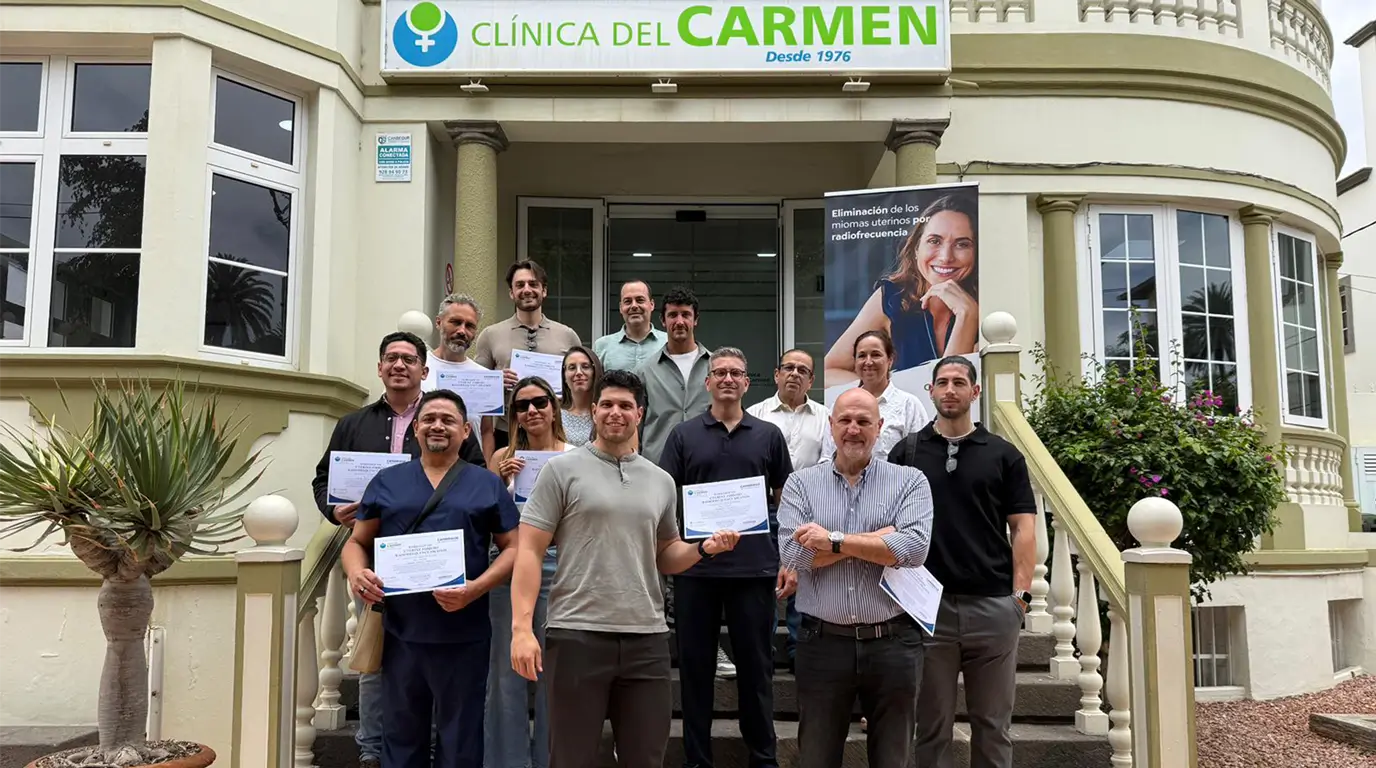
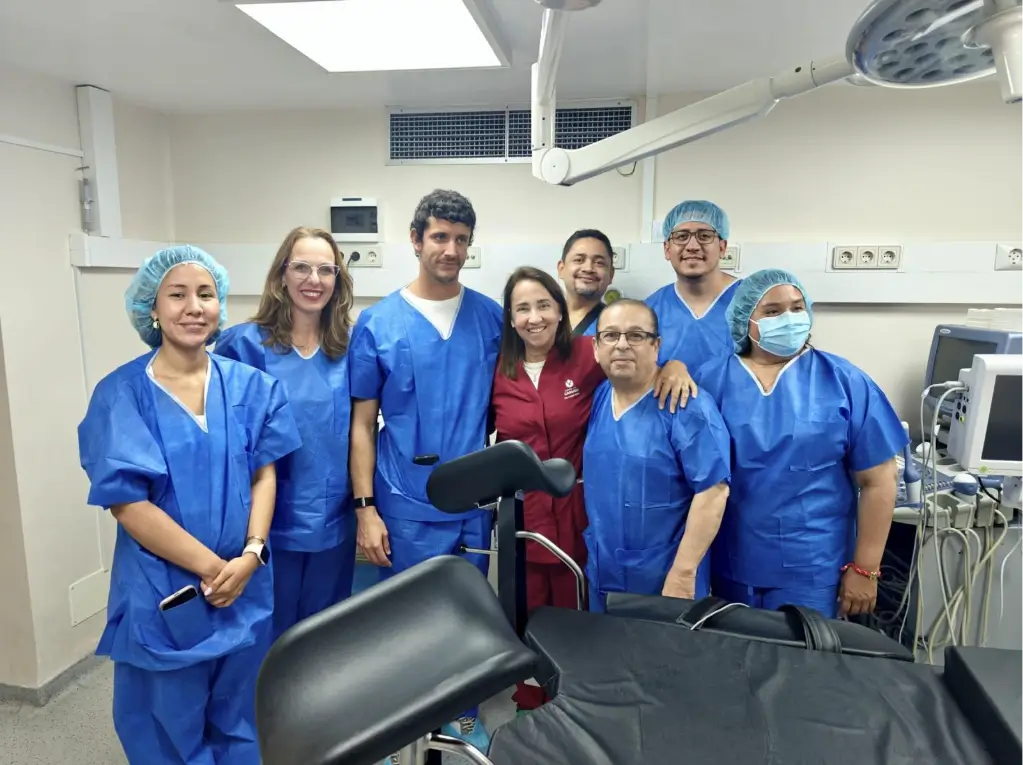
On June 16th and 17th, Cambridge Interventional held a theoretical-practical course on uterine fibroid thermal ablation at Clínica del Carmen in Las Palmas, Canary Islands.
The training course focused on the minimally invasive treatment of uterine fibroids using radiofrequency ablation, combining observation of live clinical cases, clinical protocol review, and scientific discussion.
Dr. Domingo Molina mentored participants from different countries, including Italy, Greece, and El Salvador. Dr. Molina shared his expertise and extensive experience with myoma RFA while guiding the group through the scheduled clinical cases.
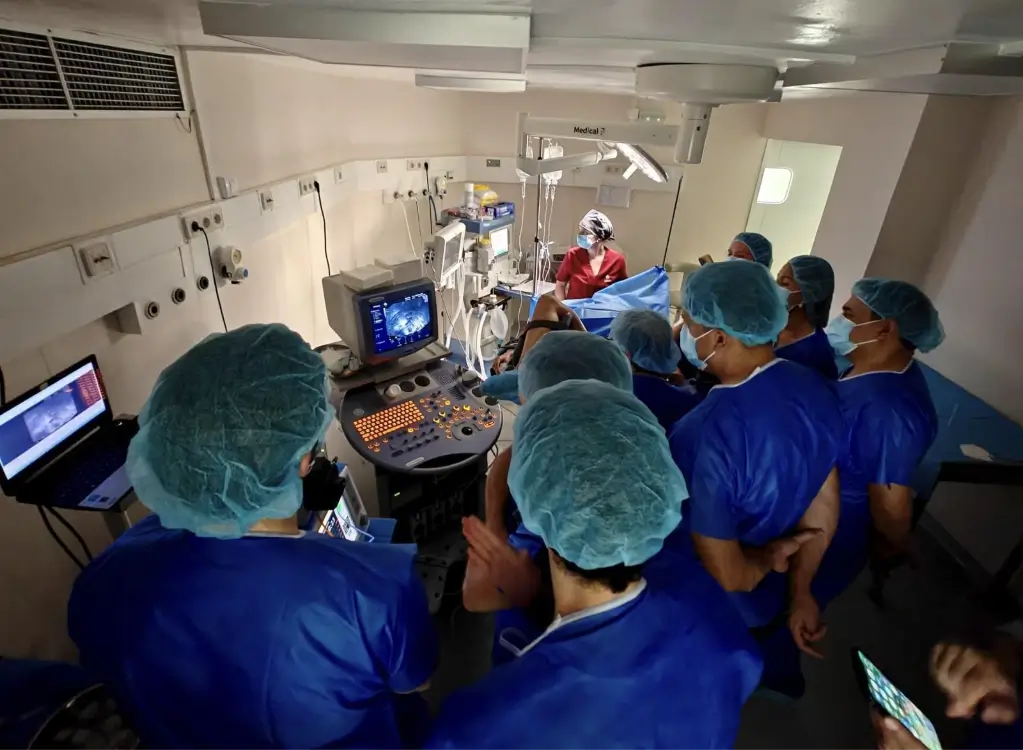
Clinical Cases
Participants observed four live, clinical cases. All procedures were performed using a transvaginal approach and ultrasound guidance, with patients under deep sedation.
The cases included patients with symptomatic uterine fibroids, presenting with heavy menstrual bleeding, anemia, pressure symptoms, and fertility-related considerations. Transvaginal RFA was demonstrated for various FIGO classifications, myoma sizes, and clinical scenarios, including:
- FIGO type 2–5 anterior wall fibroids
- A patient with polymyomatous uterus for whom six fibroid were treated, ranging from FIGO type 2 to type 6
- Larger FIGO type 5–6 fibroids
- Fibroid sizes ranged from approximately 37 × 37 × 41 mm to 80 × 70 × 70 mm
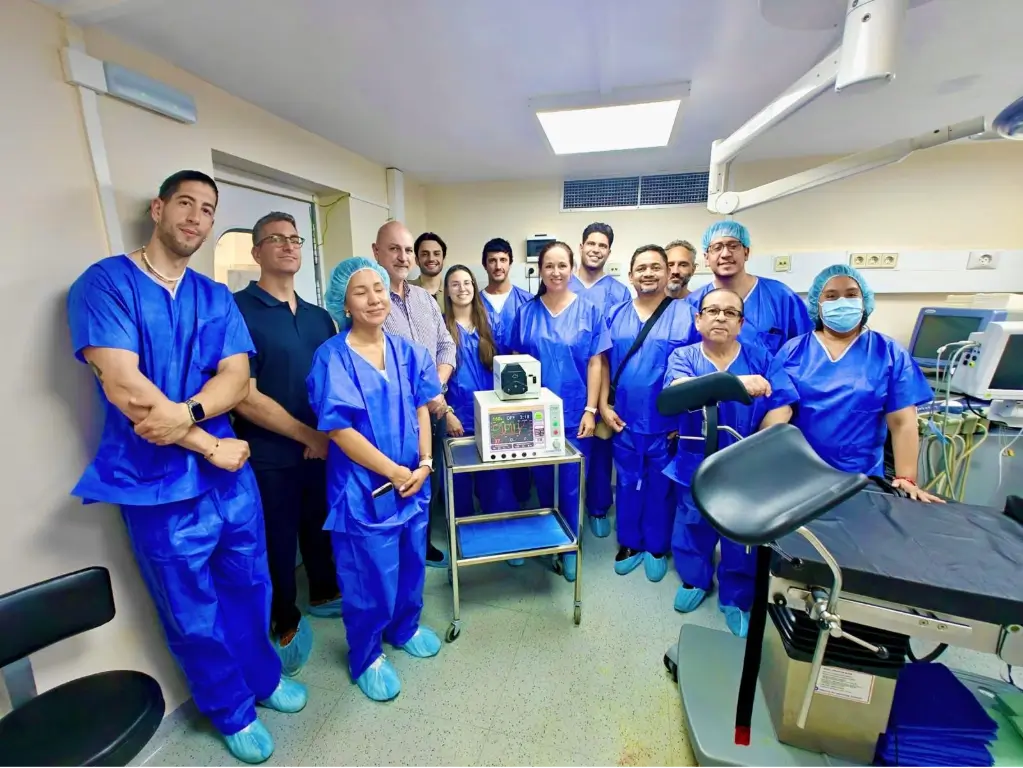
Didactic Lectures
In the lecture session, Dr. Molina delivered a presentation entitled: “Clinical Protocol: Radiofrequency Ablation of Uterine Fibroids. Methodology, Decision Algorithms, and Evidence for Minimally Invasive Gynecology.” It provided participants with a comprehensive overview of patient selection, procedural planning, clinical decision-making, and the evidence supporting radiofrequency ablation as a minimally invasive option in gynecology. Participants also had the opportunity to discuss details and ask questions in a casual setting during dinner with Dr. Molina.
Transvaginal Uterine Fibroid RFA
Radiofrequency ablation (RFA) is a minimally invasive, outpatient, uterine-preserving alternative to myomectomy and hysterectomy for the treatment of uterine fibroids. RFA can reduce the size of leiomyoma and improve symptoms and quality of life.1-6 The basic procedure steps of transvaginal fibroid RFA are:1,3
- Target: Fibroids are located individually under intraoperative, transvaginal ultrasound image guidance.
- Treat: A thin, sharp electrode is inserted into the uterus via the vaginal fornix. The electrode delivers electrical energy to heat and break down fibroids from within.
- Shrink: Successfully treated fibroids shrink gradually by 50-75% over 3-12 months, improving symptoms and quality of life.2-4
Internally-cooled, non-expanding, sharp electrodes provide superior control, visibility, robustness, and ergonomics to sculpt the ablation zone. Electrode insertion via the vaginal fornix can improve access to fibroids of varying sizes and FIGO types relative to transcervical, hysteroscopic, and laparoscopic approaches. It can also avoid the cervical dilation that are typical of transcervical RFA, and the abdominal incisions that are required for laparoscopic RFA. In contrast to RFA techniques wherein a single ablation is centered within the fibroid, the transvaginal RF electrode is moved within the fibroid to create multiple, small, overlapping ablations under transvaginal ultrasound guidance. Ablation formation is monitored by means of increased echogenicity and electrical impedance caused by tissue heating. Using this “moving shot” technique, the ablation zone can be sculpted to conform with the fibroid’s shape and to avoid damage to nearby structures such as the intestines and bladder.1,3
The Cambridge CRF system provides real-time audiovisual feedback about changes in tissue impedance, as well as automated control of the RF generator and pump, to help the gynecologic surgeon focus on the patient and ultrasound imaging during fibroid ablation. RF electrode tip temperature monitoring provides for assessment of the tissue temperature after RF energy is delivered to the fibroid. Automatic electronic record keeping provides for detailed data review and possible publication, without interrupting the treatment.
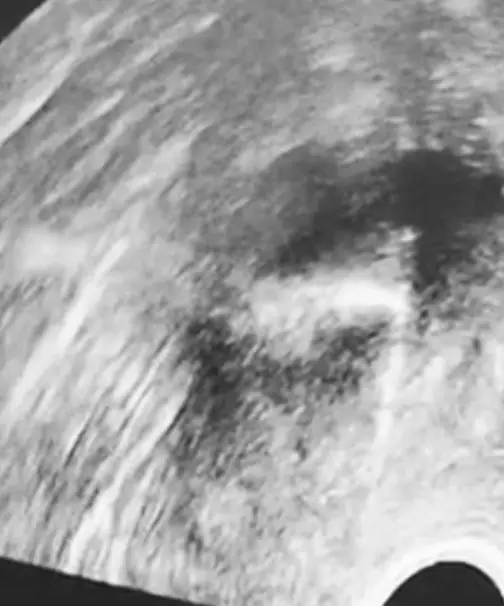
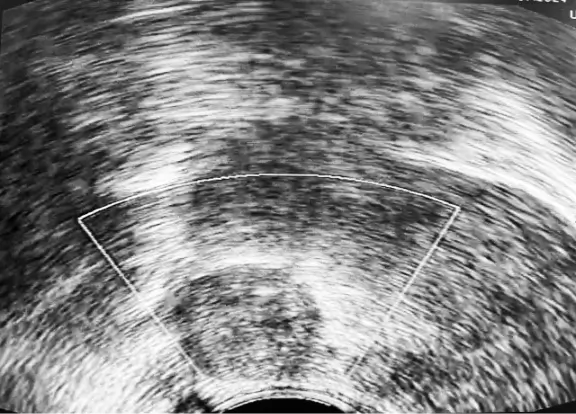
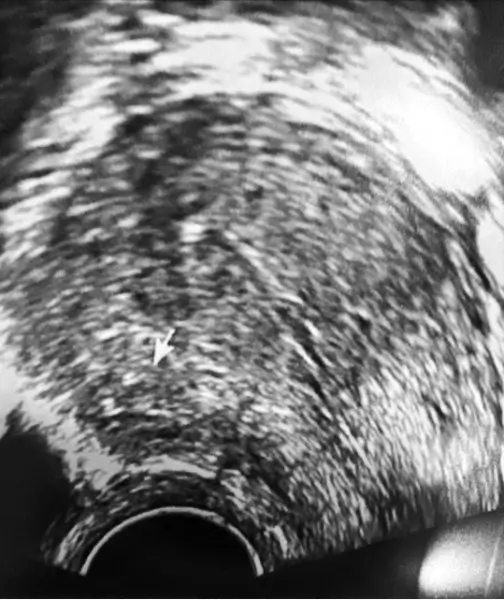
Below are images from transvaginal RFA moving-shot myolysis of a 22 x 20 x 25 mm (5.8 mL) type 5/6 myoma. The ablation was performed using Cambridge cooled electrode with 17G, 1 cm tip, 27 cm shaft, and 40 W power. Courtesy of Dr. Domingo Molina.
Our Commitment to Clinical Education
This course offered participants a valuable opportunity to observe the practical application of radiofrequency ablation in the management of uterine fibroids and to discuss procedural strategy, treatment planning, and follow-up considerations directly with an experienced surgeon.
Cambridge Interventional provided the CRF High-Power RFA system to support the course’s clinical cases. The CRF system allows the operator to perform procedures quickly and confidently with an outstanding level of user feedback and control.
We would like to extend our sincere thanks to Dr. Domingo Molina for his help, dedication, and commitment in making this first course possible. We also thank Clínica del Carmen and all the staff for hosting the training session, as well as all the participants who contributed to the success of this event.
Join Our Next Myoma RFA Course
Our next uterine fibroid thermal ablation training course will take place again in Las Palmas on July 21st and 22nd. Please contact us if you would like to participate.
To learn how Cambridge Interventional can support the integration of uterine fibroid radiofrequency ablation into your practice, schedule a discovery call.
Sources
- Santalla-Hernández et al. Clinical outcomes after 2-year follow-up of transvaginal radiofrequency ablation of symptomatic uterine fibroids. J Obstet Gynaecol Res. 2025 Jan;51(1):e16216.
- Taheri et al. Nonresective treatments for uterine fibroids: a systematic review of uterine and fibroid volume reductions. Int J Hyperthermia. 2019;36(1):295-301.
- Andersson et al. Minimally Invasive Management of Uterine Fibroids – Role of Transvaginal Radiofrequency Ablation. J Reprod Med Gynecol Obstet 2024;9.
- Chen et al. Radiofrequency Ablation for the Treatment of Uterine Fibroids: A Systematic Review and Meta-Analysis by the AAGL Practice Committee. J Minim Invasive Gynecol. 2025 Jan;32(1):74-91.
- ACOG Practice Bulletin No. 228: Management of Symptomatic Uterine Leiomyomas: Correction. Obstet Gynecol. 2021 Oct 1;138(4):683.
- Havryliuk Y, Setton R, Carlow JJ, Shaktman BD. Symptomatic Fibroid Management: Systematic Review of the Literature. JSLS. 2017 Jul-Sep;21(3):e2017.00041.
- Cambridge Interventional. CRF generator and pump operator’s manual (LB-000001) and CRF electrode system IFU (LB-000012)
Disclaimer
Indications for Use: The CRF radiofrequency ablation system of Cambridge Interventional LLC (“Cambridge”) is intended for use in percutaneous, laparoscopic and intraoperative coagulation and ablation of tissue.
Adverse Events: Reported adverse events or complications for RF ablation or coagulation procedures include, but are not limited to, the following: Abscess (pelvic), anesthesia reaction, arrhythmia, ascites, bile duct injury, bleeding (uterine, vaginal; spotting), blood clots (deep vein thrombosis), burn (uterine serosa), cardiac ischemia, death (miscarriage, intrauterine fetal death), device failure, device fracture in patient, diarrhea, edema, electric shock, electromagnetic interference with other devices and/or cardiac pacemakers, fever, fistula (rectouterine), general clinical residual risks for surgical procedures (flu-like symptoms, constipation, headache, inflammation, malaise), hematoma, hemorrhage, hypertension, hypotension, infection (urinary tract infection), nausea/vomiting, necessity for more invasive surgery (including open surgery, hysterectomy, demolitive surgery, removal of free intrauterine fibroid) if complications occur, nerve injury, organ damage (vagina, uterus, uterine wall, cervix, intestine, bladder; intrauterine adhesions; Asherman’s syndrome; uterine rupture, window, atony, serosal laceration; placenta previa, accreta, abruption; invasive placentation; fetal growth restriction; unknown risk to future pregnancy), pain (abdominopelvic, cramping, dysmenorrhea), perforation (vagina, uterus, intestine, colon, bladder), peritonitis, skin burn, tumor recurrence (fibroid regrowth), tumor seeding, urinary retention/incontinence/leakage, vasovagal reaction (dizziness, fatigue), vessel injury, wound discharge (vaginal discharge, fibroid expulsion, sloughing). The long-term risks of RF ablations have not been established. RF ablation procedures are not recommended for pedunculated or giant fibroids, potentially malignant uterine tumors, or pregnant patients. Potential risks to the patient and/or fetus have not been established. If you become pregnant following uterine RFA, contact your doctor immediately. See device IFU for additional warnings and precautions.1,3,4,7
Disclaimer: Rx only. Read the instructions for use (“IFU”) of all medical devices prior to use. Clinical results, ablation sizes, costs, and financial/insurance coverage may vary and are not guaranteed. The information contained in the multimedia content that is contained or referenced herein or that is posted on the Cambridge Interventional website (“Content”) is for general informational purposes only and is not intended to be a substitute for professional medical advice, diagnosis, or treatment; standards of medical care or training; or the instructions, indications, and contraindications for use of Cambridge Interventional devices or any other medical devices. All information is provided in good faith, however Cambridge makes no representation or warranty of any kind, express or implied regarding the accuracy, applicability, fitness, or completeness of this information; of opinions expressed; of third-party publications referenced or summarized; or of third-party services presented. Always seek the advice of your physician about a medical condition. Never disregard professional medical advice, or delay in seeking it, because of something you have read or seen in this Content.
